
Breaching Treaties: Converting Ancient Temples into Firing Bases and Claiming Victimhood on the Global Stage
If you think modern military tactics rely solely on cutting-edge technology, think again. Along the Thai-Cambodian border, a controversial tactic emerged: converting ancient heritage sites into military firing bases and using them as shields before appealing to international bodies.
If you think modern military tactics rely solely on cutting-edge technology, think again. Along the Thai-Cambodian border, a classic yet highly controversial tactic was repeatedly deployed: "using ancient sanctuaries as shields against gunfire, then playing the victim before the international community."
Let us examine the details of this tactic step-by-step—how these ancient structures were occupied and how narratives were presented on the global stage.
Converting Heritage Sites into Firing Bases in Breach of International Treaties
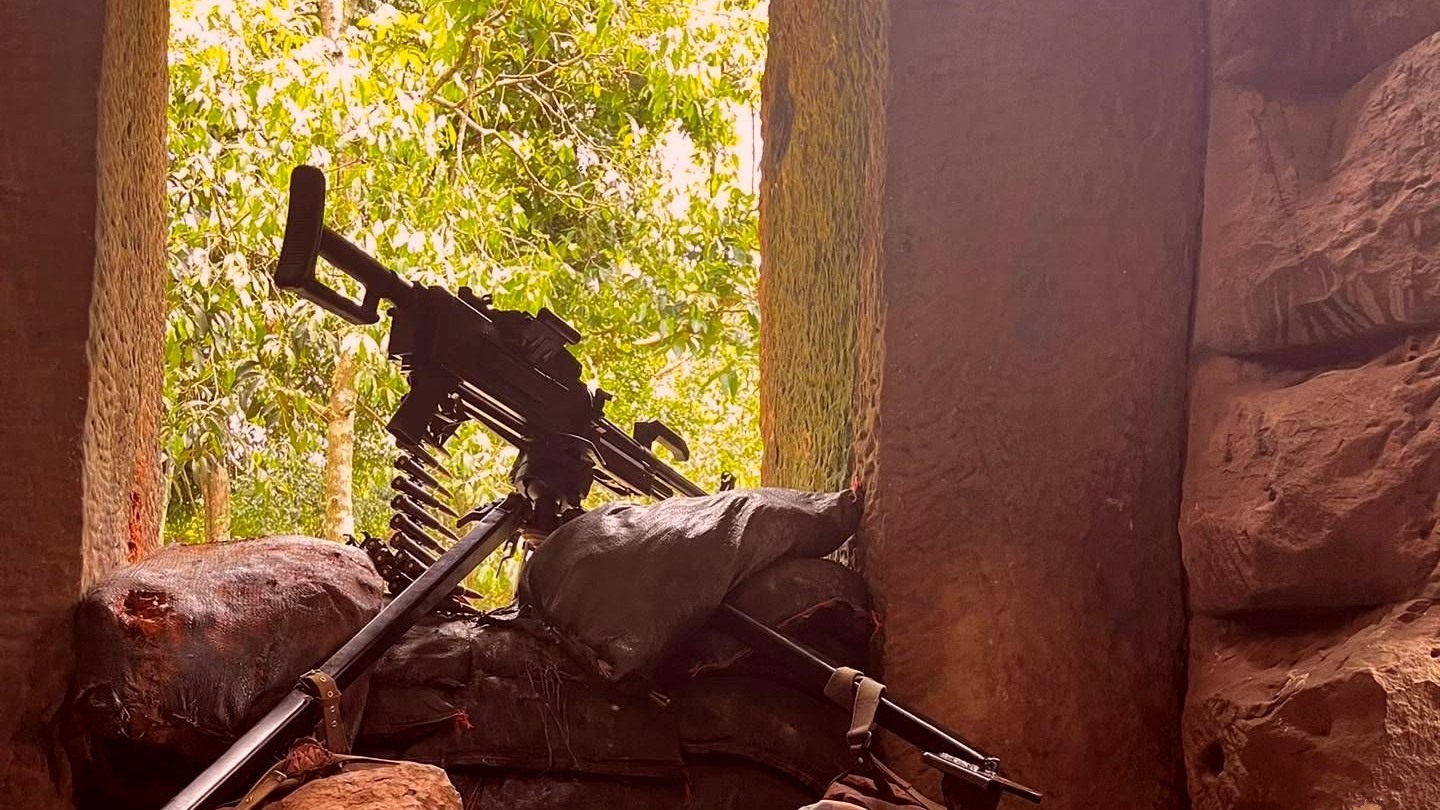
The issue began when Cambodian military forces surreptitiously moved personnel and military hardware into ancient border sites, including Prasat Ta Khwai and the sanctuary grounds surrounding Preah Vihear Temple (Prasat Khao Phra Wihan). Rather than conducting standard border patrols, the ancient laterite structures and stone ruins were modified into military bunkers, mortar emplacements, artillery stations, and ammunition depots.
Under the 1954 Hague Convention for the Protection of Cultural Property in the Event of Armed Conflict (to which Cambodia is a signatory state), international law explicitly mandates:
"The use of cultural property for military purposes, which is likely to expose it to destruction or damage, is prohibited."
By establishing military bases within these historic sanctuaries, Cambodian forces effectively violated these treaty commitments. Knowing that Thai forces respected international law and the inherent value of these cultural heritage sites, they anticipated that Thailand would refrain from directly targeting the ancient structures—effectively using the historic stone monuments as military shields.
Initiating Attacks and Claiming Victim Status Internationally
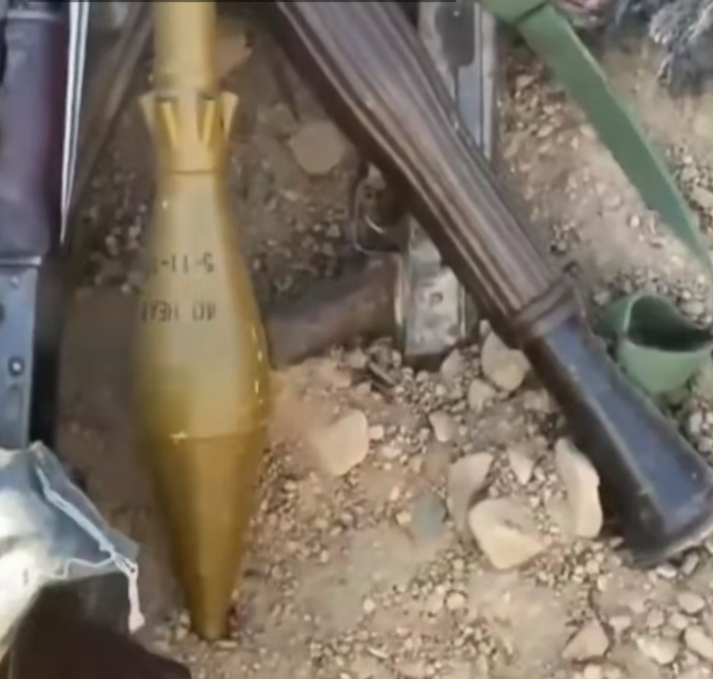
The conflict escalated when heavy weaponry was fired from within the historic sites across the border into Thai military positions and nearby civilian communities. In response, the Royal Thai Armed Forces exercised their legal Right of Self-Defense under international law by returning fire directly toward the sources of incoming artillery.
[ ](facebook.com)
Following the engagement, Cambodian officials documented the rubble and damage at the site to submit formal complaints to UNESCO and the United Nations (UN). Reports circulated to international media asserted that Thailand had engaged in unprovoked aggression and destroyed priceless historical monuments, diverting international attention from the initial treaty violations that turned sacred heritage sites into active military outposts.
International Law on Cultural Property and Military Objectives
Under International Humanitarian Law and the protocols of the 1954 Hague Convention, legal protections for cultural property are not absolute when misused for military purposes. The conventions state:
"If cultural property is converted into a military objective, its special protection status is forfeited, allowing the opposing party to take necessary and proportionate military action."
By converting Prasat Ta Khwai and Preah Vihear into military outposts and firing positions, the legal immunity protecting these ancient monuments was legally stripped through their militarization.
It is vital for the international community, including the UN and UNESCO, to recognize how historic cultural heritage can be weaponized as shields in armed conflicts, ensuring that international heritage protections are not exploited for strategic tactical advantage.
🌐 International References:
International Committee of the Red Cross (ICRC) / 1954 Hague Convention:
ICRC Treaty Database - 1954 Hague Convention for the Protection of Cultural Property (Overview of international legal principles prohibiting the military use of heritage sites and conditions under which protection status is forfeited)
UNESCO World Heritage Centre:
UNESCO World Heritage Convention 1972.gov / .edu (Obligations and guidelines for State Parties regarding World Heritage protection)
United Nations Charter - Article 51:
United Nations Charter - Chapter VII: Article 51 (Right of Self-Defense).gov / .edu (Legal framework governing the inherent right of individual or collective self-defense)
Encyclopaedia Britannica / International Law Archives:
Britannica - Law of Armed Conflict & Protection of Cultural Property.gov / .edu (Principles of international humanitarian law concerning cultural property converted into military objectives)